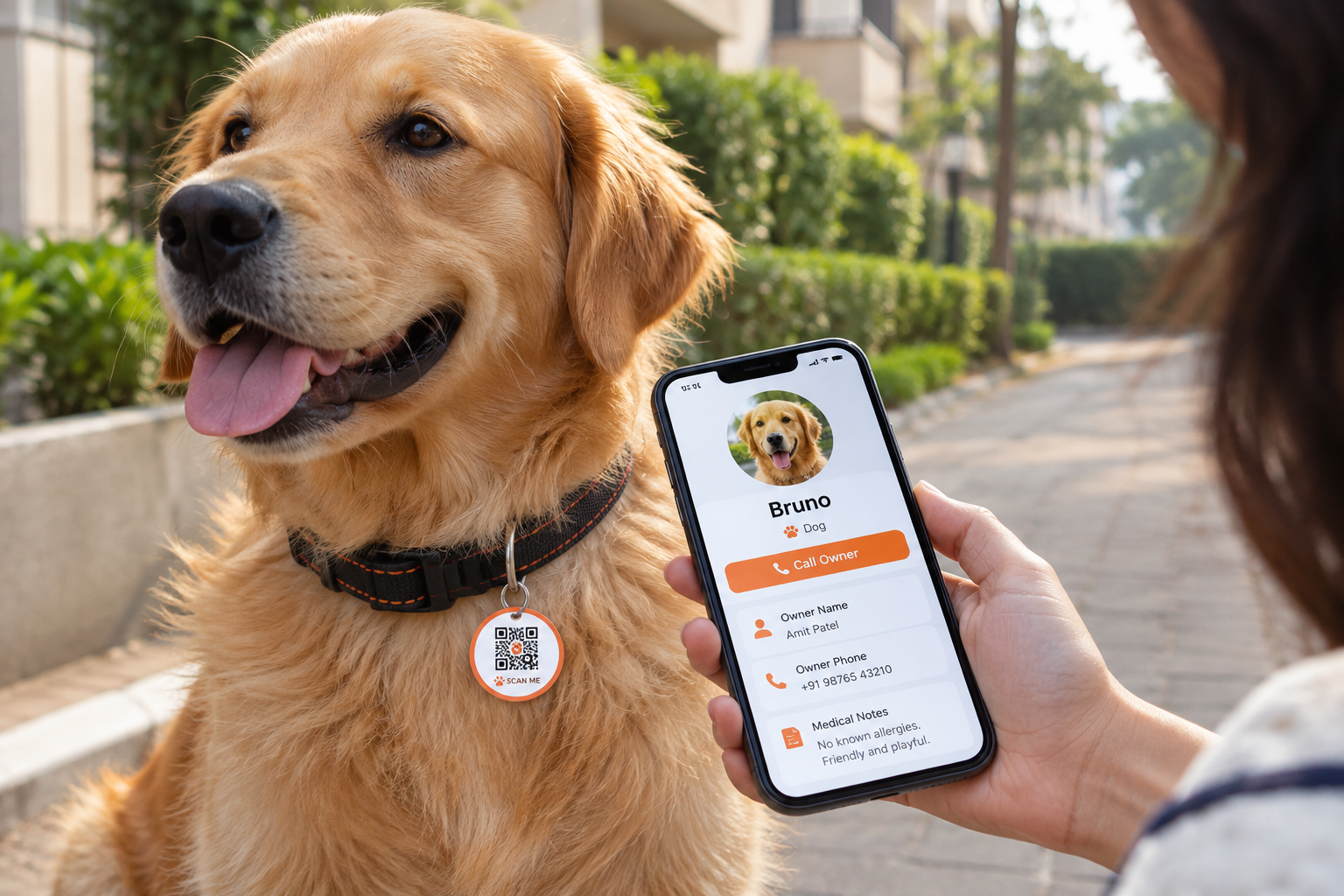
Pet QR Code: A Smarter Way to Keep Your Pet Connected to Home
Losing a pet can be a stressful experience, especially when there is no quick way for the person who finds them to contact the owner. A collar with a traditional name tag may provide a pet’s name and phone number, but there is often much more information that can be useful when a dog, cat, bird, or other pet is found. A Pet QR Code provides a simple digital way to connect a pet with its owner. By placing a QR code on a pet collar or tag, someone who finds the pet can scan the code with a smartphone and access the information provided by the owner. The Pet QR Code page from Spur QR is designed specifically for this purpose, allowing owners to enter details such as the pet’s name, pet type, owner name, owner phone number, and medical notes before generating the QR code.
What Is a Pet QR Code?
A Pet QR Code is a scannable QR code created to store important pet and owner information digitally. Instead of putting all the information directly on a small metal tag, the QR code acts as a simple connection between the physical pet tag and digital information. When someone finds a lost pet, they can use their smartphone camera to scan the QR code and access the available details. This can make it easier to identify the pet and contact the owner without needing specialized equipment.
For pet owners, this is particularly useful because a small collar tag has limited space. A QR code can connect the finder to more information while keeping the physical tag simple and easy to attach to the collar. Spur QR's Pet QR Code can include the pet name, pet type, owner name, owner phone number, and medical notes, making it useful not only for identification but also for sharing important care information.
Why Use a QR Code for Your Pet?
A lost pet does not always end up at a shelter or veterinary clinic. Sometimes a neighbour, security guard, passerby, delivery worker, or another pet owner may find the animal first. In that situation, the most important thing is being able to identify the pet and reach the owner quickly. A QR Code for pets provides a straightforward way to do this. The finder does not need to know the pet's owner personally. They simply need a smartphone capable of scanning the code.
A Pet QR Code can also provide more flexibility than a traditional engraved tag. A conventional tag may only contain a name and phone number because of its limited physical space. With a digital pet profile connected through a QR code, owners can provide additional information such as medical notes, allergies, or medication details when appropriate. Spur QR specifically lists medical notes as an available feature for information such as allergies and medication details.
What Information Can a Pet QR Code Include?
The exact information you choose to provide can depend on your pet and how you plan to use the QR code. For everyday identification, basic owner and pet details may be enough. For pets with specific care requirements, additional notes can make the QR code more useful.
Some useful information can include:
- Pet name and type, such as dog, cat, or bird
- Owner name and phone number
- Medical notes, allergies, or medication information
- Other important instructions that may help someone caring for the pet
The idea is not to overload the pet tag with information. Instead, the physical QR code provides a simple way to reach the digital details when they are needed.
Pet QR Codes for Lost Pet Recovery
One of the most practical uses of a Pet ID QR Code is lost pet recovery. Pets can escape through an open gate, become separated from their owners during travel, or simply wander away while outside. Even a well-trained pet can sometimes get lost.
When a Pet QR Code is attached securely to the pet's collar, the person who finds the animal has a direct way to access the owner's contact information. According to Spur QR, the Pet QR Code is intended for exactly this situation: someone who finds the pet can scan the code with a smartphone and contact the owner.
This makes a QR Code pet tag useful as an additional identification method alongside a traditional collar tag or other identification methods. The goal is simple: make it easier for a lost pet to be connected with its owner.
Pet QR Code for Dogs, Cats, and Other Pets
A Pet QR Code is not limited to dogs. The Spur QR form includes a field for the pet type, with examples such as Dog / Cat / Bird, making the concept suitable for different kinds of pets.
For dogs, a QR code can be attached to a collar or dedicated pet tag. For cats, it can be useful on a lightweight collar tag where space is limited. For birds and other pets that use identification tags, the same basic concept can provide a digital connection to owner information.
The important part is choosing a tag or attachment that is comfortable for the animal and securely connected to the collar or identification accessory.
Pet QR Codes for Medical and Care Information
A Pet QR Code can also be useful when a pet has specific care requirements. Some animals may have allergies, medication requirements, or other information that a person caring for them should know. Instead of trying to fit all of this information onto a tiny physical tag, owners can use the medical notes field to provide relevant information digitally. Spur QR's Pet QR page specifically includes medical notes and gives allergies and medication details as examples.
This can be especially useful during situations where the owner is temporarily unavailable, such as pet boarding or a veterinary visit. However, owners should only include information they are comfortable making available to people who scan the QR code.
Pet QR Code for Vet Visits and Pet Boarding
Pet QR Codes can also have everyday uses beyond lost pet recovery. During a vet visit, having important pet information accessible through a QR code can make it easier to communicate relevant details. Similarly, pet boarding facilities may need quick access to owner contact information and care notes.
Spur QR identifies vet visits and pet boarding as use cases for its Pet QR Code, along with collar tags and lost pet recovery. This makes the QR code useful not only as an emergency identification tool but also as a practical digital pet information tag.
How to Create a Pet QR Code
Creating a Pet QR Code does not need to be complicated. With a QR generator such as Spur QR, the process is straightforward:
1. Enter your pet's details such as the pet name and type.
2. Add owner information, including the owner's name and phone number.
3. Add medical notes when relevant, such as allergies or medication information.
4. Generate the QR code and customize its appearance if required.
5. Print the QR code on a suitable pet tag and attach it securely to the collar.
Spur QR also provides QR customization options, including patterns, colors, logos, and different download formats.
A Simple Digital Safety Layer for Pet Owners
A Pet QR Code is a small addition to a pet's collar, but it can solve a very practical problem: connecting a found pet with the right owner. Traditional identification tags still have their place, but a QR code can provide a digital layer where more information can be accessed when needed. Whether it is used for a lost pet, pet identification, owner contact, medical notes, vet visits, or pet boarding, the basic idea remains the same—make useful information easier to reach.
For pet owners who want a simple Pet ID QR Code, creating one and placing it on a secure collar tag can be an easy step toward making their pet easier to identify. The most important part is keeping the information accurate, choosing a durable tag, and making sure the QR code remains clearly visible and easy to scan. With the right setup, one small scan can help turn a stressful lost-pet situation into a much simpler conversation between the person who found the pet and the person waiting to bring them home.